
The Complete Guide to Authentic Portrait Photography: Sub-Genres, Techniques & Ethics
Forget the notion that structured guides stifle creativity. This toolkit offers a robust foundation of techniques and insights, empowering you to capture authentic portraits that blend technical mastery with genuine emotional connection, making your unique artistic voice shine through.
Quick Takeaways for Powerful Portraits
- Master technical skills like lighting and composition to create compelling visual narratives.
- Prioritize ethical interaction and consent to build trust and capture truly authentic moments.
- Embrace creative freedom by adapting proven techniques to your unique artistic vision.
Editor’s Top Picks: Essential Portrait Wisdom
A portrait is not made in the camera but on either side of it. — Edward Weston
The most important thing in a portrait is the soul of the person. — Yousuf Karsh
The best thing a young photographer can do is to stay close to home. Start with your friends and family, the people who will put up with you. Discover what it means to be close to your work, to be intimate with a subject. — Annie Leibovitz
Environmental Portraits: Weaving Stories with Surroundings
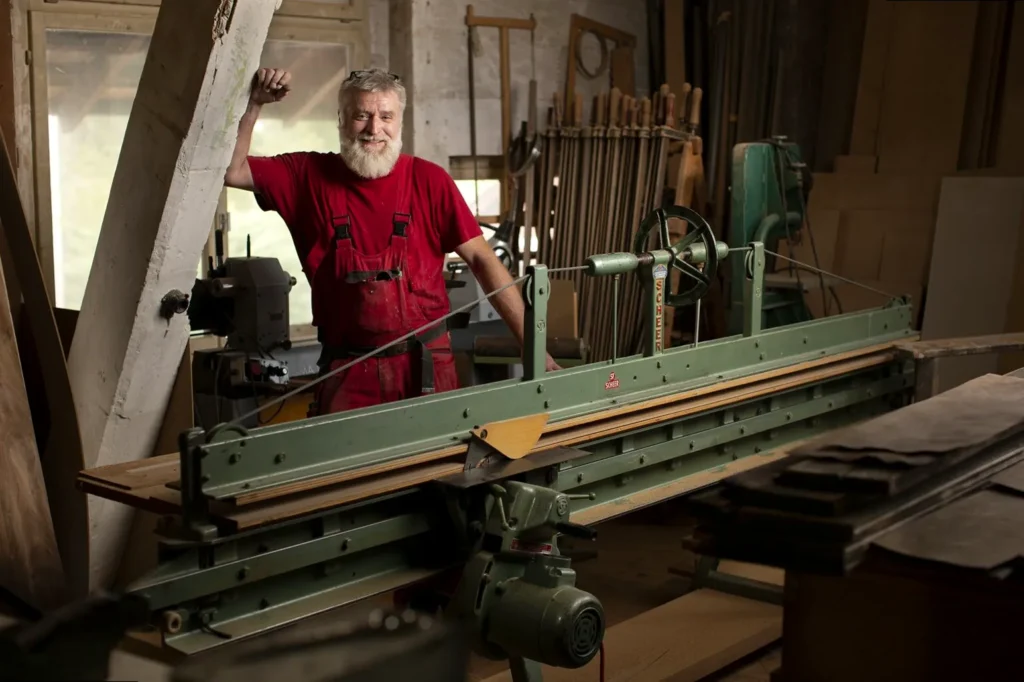
Environmental portraits tell a deeper narrative by integrating your subject’s world into the frame. Strategically compose to balance the subject’s presence with their surroundings, allowing the environment to become a silent storyteller.
Mastering Environmental Portraits: Tips & Techniques 🗺️
- Place your subject in an environment they belong to; this explores their essential nature. 🏡
- Let the location become an integral part of your photograph. Relate the subject to their surroundings. 🏞️
- Consider including props that help the subject feel at home and tell their story. 🔨🎨
- Move your subject off-center, towards the edge of the frame, to reveal more of the background. (。◕‿◕。)
- Get in close with a wide-angle lens (e.g., 35mm equivalent) to engage the subject while retaining surroundings. 🔭
- Horizontal framing often works best for environmental portraits, including more context. ↔️
- Ensure your subject remains the primary focal point by proper illumination and proximity to the camera. 💡
- Gently blur the background rather than obliterating it, retaining visual information that aids the story. 🌫️
- An environmental portrait is when the location is so important it becomes a ‘second character’. 🎭
- Don’t be afraid to rearrange the scene slightly to achieve a more pleasing composition. 🔄
- Look for ambient light opportunities like alcoves, walls, or overhangs to find perfect natural light. ☀️
- Make sure your background isn’t overly busy or distracting; it should complement, not compete. 🧹
- Immerse your subjects within nature, using elements like trees to frame them, rather than just posing in front. 🌳🌲
- Encourage subjects to coordinate outfits with the location’s color palette to create harmony. 👗🎨
Guiding Poses & Eliciting Expressions: The Art of Connection
Guiding subjects into natural, authentic poses and expressions demands more than rigid directives. It’s about fostering communication, building rapport, and creating a comfortable space where genuine emotions can effortlessly emerge.
Use these prompts to guide your subjects into natural, engaging poses and expressions. Adapt them to fit the mood and story you’re telling.
Posing & Expression Prompts: Cultivating Authenticity 😊
- Care about your subject and how you represent them; aim for an authentic portrait. 💖
- Turning one shoulder slightly towards the camera can create a pleasing leading line to the face. 🧍♀️
- Candid moments aren’t just for street photography; look for spontaneous life in planned sessions. ✨
- Focus on eliciting a happy expression rather than just a forced smile. Look for a glint in the eyes. (◕‿◕✿)
- Work on interacting with people and building rapport; it’s key to genuine expressions. 🗣️
- If hands seem awkwardly idle, give them something to do – even just putting them in a pocket. 🤲
- A comfortable subject looks natural and genuine; an uncomfortable subject looks stiff and withdrawn. 😌
- Tell your subject you’re looking for natural images, casual smiles, and comfortable poses. 🗣️📸
- Keep your subject moving; slight changes in pose every few shots prevent stiffness. 💃
- Offer hand posing suggestions; if hands are comfortable, the rest of the body often follows. 👐
- Give positive reinforcement! Say, ‘That looks great!’ to keep the session positive and flowing. 👍
- Prepare a few conversation starters to make subjects feel comfortable and open up. ☕️
- Explain what you’re doing and why; it reassures subjects and builds confidence. 🧠
- The best shoots are collaborations where the photographer and subject share ideas. ( ˘ ³˘)♥
- Remember the Golden Rule: Treat subjects how you’d want to be photographed. 🙏
Creative Lighting: Shaping Mood and Story
Mastering light allows you to sculpt mood, highlight features, and tell a visual story. Always scout for natural light opportunities, understanding its quality and direction to enhance your subject’s appearance and the overall narrative.
Lighting Techniques for Stunning Portraits 💡
- Shoot with the sun behind your subject to avoid squinting and harsh face shadows; it also creates beautiful rim light. ☀️
- Look for natural reflectors like white walls, light stone, or gravel to bounce softer light back onto your subject’s face. ⚪️
- During golden hour, have your subject face the soft, warm sunlight for a lovely orange tint without harsh shadows. 🧡
- Experiment with window light indoors; it’s often soft, flattering, and a gift to photographers. 🪟
- Be aware of light’s color, softness, and direction everywhere, all the time, to learn how to control it. 👁️✨
- Aim for soft light at a slight angle to the subject’s face to create shape and dimension. 📐
- Use a simple silver reflector to bounce light and add a catchlight to the eyes; it makes a dramatic difference. 💿
- Avoid harsh midday sun unless you can diffuse it with shade or modifiers. ☁️
- Overhead cover, like an alcove or overhang, can provide beautifully soft and directional light. ⛱️
- Don’t overdo it with light modification; over-fill or over-reflecting can make images look amateurish. (✖╭╮✖)
- Nature truly comes alive at sunrise and sunset, offering dramatic light that enhances textures and hues. 🌅
- If highlighting distant natural elements, ensure the light comes from the front to illuminate the background. ⛰️
- For natural elements closer to the camera, use backlight to bring out textures and warm colors. 🍂
- Take advantage of moody weather; dramatic light and skies post-storm can be epic. ⛈️
Ethical Portraiture: Building Trust and Respect
Respect, consent, and empathy are paramount when photographing individuals, especially in unfamiliar settings. Prioritize ethical practice to build trust, ensuring a positive experience for everyone involved and ultimately, more meaningful images.
Ethical Guidelines for Respectful Portrait Photography 🤝
- Care about your subject and how you represent them; be considerate and create an authentic portrait. 💖
- Approach people in an open and friendly manner; break the ice with genuine conversation. 😊
- Remember the Golden Rule: Think about how you’d feel if someone approached you for a photo. 🙏
- Always be sensitive to local customs and cultural taboos about photography. 🌍
- Learn a few simple phrases in the local language to ask for permission respectfully. 🗣️
- Respect people’s feelings and beliefs; people are always more important than photographs. 💯
- Don’t just barge into a scene with your camera; engage in conversation first, then ask. 🚶♀️💬
- If asked to pay for a photograph, comply with the request; it builds trust and respect. 💰
- Never tell subjects they look awkward; use positive reinforcement and gentle guidance instead. ✨
- The goal is to represent the character and personality of the subject, not to exploit. 🎯
- Be confident in your approach, as this helps put your subject at ease. 💪
Capturing Candid & Group Dynamics
Capturing authentic candid moments and managing the complexities of group portraits requires anticipation, strategic communication, and clever environmental integration. Focus on genuine interactions and dynamic compositions to tell compelling stories.
Candid & Group Portrait Mastery: Tips for Dynamic Shots 👥
- For candids, be unobtrusive: find a good vantage point, settle in, and wait for elements to align. 🤫
- If using a long lens, compose and shoot before subjects notice you; then smile and wave if they do. 📸👋
- To be truly unobtrusive, stay in a location long enough for people to stop paying attention to you. 🕰️
- Anticipate behavior: watch people carefully and predict what’s about to happen to capture fleeting moments. 🕵️♀️
- Understand human nature and how people react in situations; prepare for those telling moments. 💡
- Candid isn’t just for street photography; seek spontaneous, lively moments even in planned sessions. ✨
- Group portraits require imagination, patience, and diplomacy to arrange everyone effectively. 🤝
- Relate the group to an environment that expresses something about them; use the setting to enhance the story. 🏞️
- Practice on familiar subjects like family members; they are trusting and willing to indulge your camera. 👨👩👧👦
- Don’t be afraid to get creative with group arrangements; literally, humorously, or dramatically. 🎭
- Just getting all faces visible in a group is a challenge; aim for an image where everyone looks good. 👀
- Encourage natural interactions within the group to avoid stiff, posed looks. 🤗
Bonus Read: Optimizing Gear & Settings for Portraiture
Making informed choices about your camera gear and settings is crucial. Understanding how these technical decisions impact image quality and creative control will help you achieve desired artistic effects and elevate your portrait work.
Gear & Settings for Impactful Portrait Photography ⚙️
- Use a focal length of 85mm (full-frame) or 50mm (crop sensor) to compress the face slightly and blur the background. 📸
- Set your aperture to f/2.8 (or wider) for a beautifully blurry background and subject isolation. 🎯
- Utilize aperture priority mode when there’s enough light; it offers creative freedom and speed. ⚙️
- Keep ISO at 100 to reduce noise and achieve a clearer, sharper image. ⬇️
- Set White Balance to AWB (Auto White Balance) for a good starting point, easily adjustable in post-production. ⚖️
- Consider a mild wide-angle lens (e.g., 35mm equivalent) for environmental portraits to include more context. 🏞️
- Don’t shy away from simple gear like a small battery-powered light source or bounce boards; less is often more. 🎒
- If using a wider lens for environmental shots, use a modest aperture like f/5.6 or f/8 to keep the background somewhat visible. 🖼️
While this video focuses on a specific niche, its core message about ‘learning to take photos’ and a ‘beginner’s guide’ aligns perfectly with the continuous skill development required in portrait photography. Every master started somewhere!
After sharing a compelling portrait, post a poll or open-ended question that directly taps into common photographer struggles or preferences within the portrait genre. This encourages sharing personal experiences and tips, driving comments and saves.
Top Hashtags for Portrait Photographers
Portrait Photography Emoji Palette
📚 Jargon Buster
- Rim Light
- A lighting technique where the light source is placed behind the subject, creating a glowing outline or 'rim' that separates them from the background.
- Environmental Portrait
- A style of portraiture that captures the subject in their natural habitat (like a workshop or home) to tell a deeper story about their life and character.
- Catchlight
- The tiny, bright reflection of a light source in a subject's eyes that adds depth, life, and a sense of 'sparkle' to the portrait.