
The Science of Gratitude: A Shield for Healthcare Heroes
Many genuinely want to support healthcare heroes, yet a quiet skepticism often surfaces: can psychological ‘fixes’ truly address the deep-seated systemic challenges nurses face? This ‘gratitude gap’ highlights the tension between heartfelt appreciation and the crucial need for deeper structural change.
Quick Takeaways on Gratitude’s Power
- Gratitude is scientifically proven to boost mental health and emotional well-being for healthcare professionals. ✨
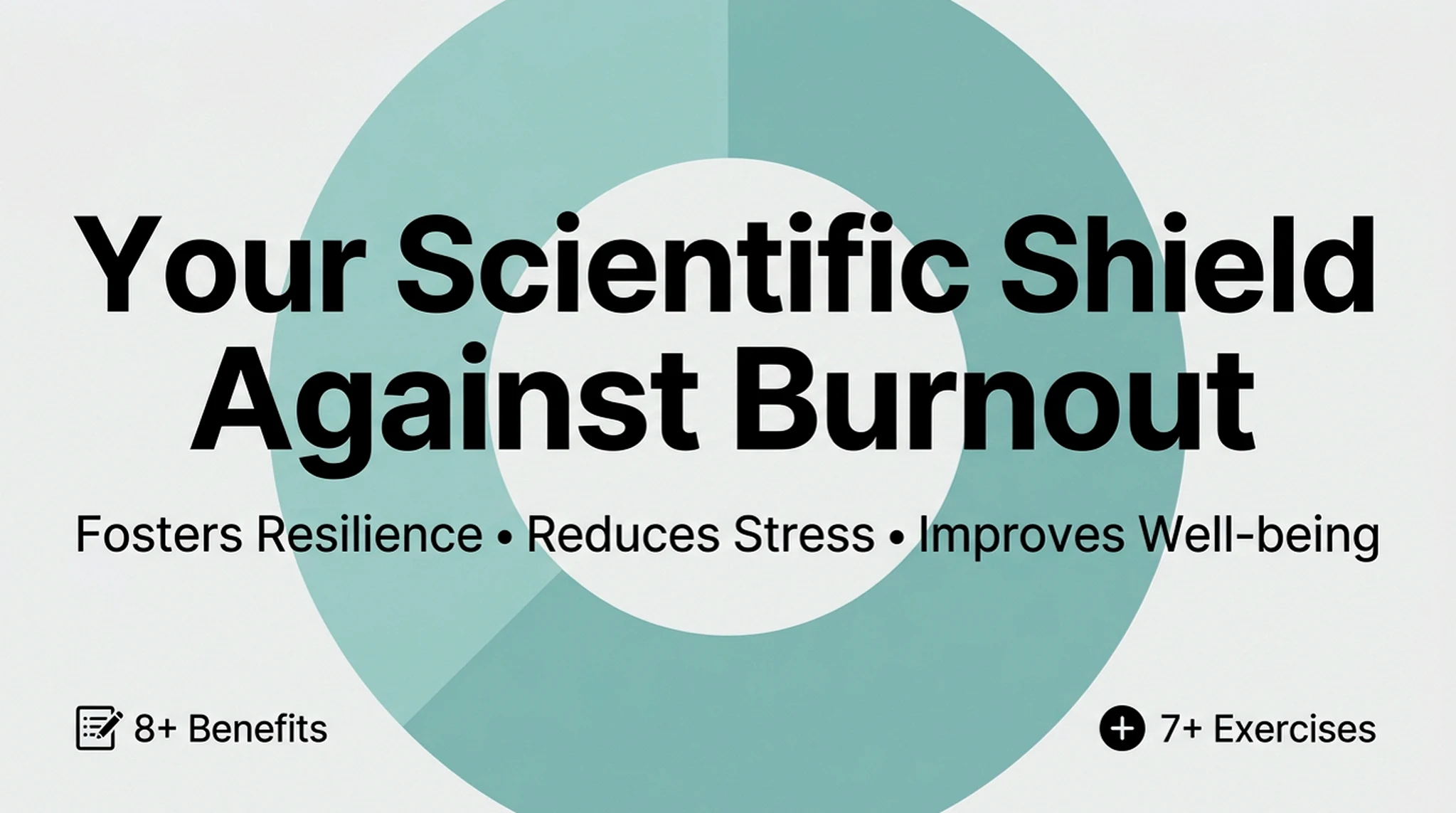
- Practicing gratitude acts as psychological armor, significantly reducing burnout and stress. 🛡️
- Cultivating appreciation fosters resilience and a renewed sense of purpose, even amidst demanding clinical realities. (^_~)
Unlocking the Brain’s Power: The Neuroscience of Gratitude
Understanding the neurochemical dance behind gratitude—the release of dopamine, serotonin, and oxytocin—offers a powerful ‘why’ for healthcare professionals. Actively deploying gratitude practices helps override the brain’s natural negativity bias, empowering nurses to consciously shift focus and build mental resilience against daily stressors.

The Profound Health Benefits of Practicing Gratitude
- Fosters higher levels of positive emotions. 😊
- Supports greater life satisfaction, vitality, and optimism. 🌟
- Enables more hours of sleep and better quality of sleep. 😴
- Fosters healthier eating habits and better self-care. 🍎
- Contributes to greater mental and emotional well-being. (⌒▽⌒)
- Increases resilience to trauma and challenging life experiences. 💪
- Leads to lower rates of post-traumatic stress disorder (PTSD) and an increased sense of purpose. 💖
- Helps achieve lower overall levels of depression and stress. 😌
Gratitude as Armor: Combating Burnout and Fostering Resilience
Active gratitude serves as powerful psychological armor against the unique stressors and emotional toll inherent in healthcare. Nurses can mentally deploy gratitude during challenging shifts by intentionally recalling a small win, a supportive colleague, or a moment of patient connection, building resilience with each thankful thought.
Practical Pathways: Cultivating Gratitude in Your Daily Life
Integrating scientifically-backed gratitude methods into daily life is more accessible than you might think. Healthcare professionals can amplify these benefits by sharing and encouraging these practices among colleagues, transforming individual acts into a collective, supportive environment that uplifts everyone.
This video beautifully illustrates how gratitude, when shared within a community, deepens connections and enhances overall well-being—a powerful dynamic for healthcare teams.
Actionable Gratitude Exercises for Busy Professionals
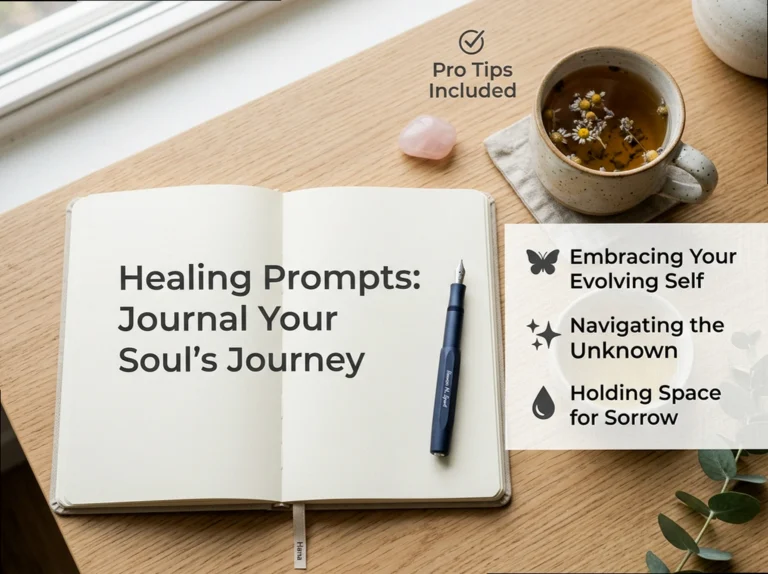
- Keep a gratitude journal, writing once a week or up to three times a week. ✍️
- List all the people in your life for whom you’re grateful, then write or tell them using specific details. 💌
- Write a letter of gratitude to someone, deliver it, or read it to them over the phone. (´。• ω •。`)
- Write down three good things that went well in your day and describe why they were positive. ✨
- Find time to reflect on a positive emotion you felt in the last 24 hours and consider why you’re grateful for it. 🤔
- Practice ‘savoring exercises’ by pausing to take in and enjoy everything good in your current setting. 🌸
- Ask yourself: ‘What am I taking for granted that I can be thankful for?’ or ‘What is the kindest thing someone has said or done lately?’ 🙏
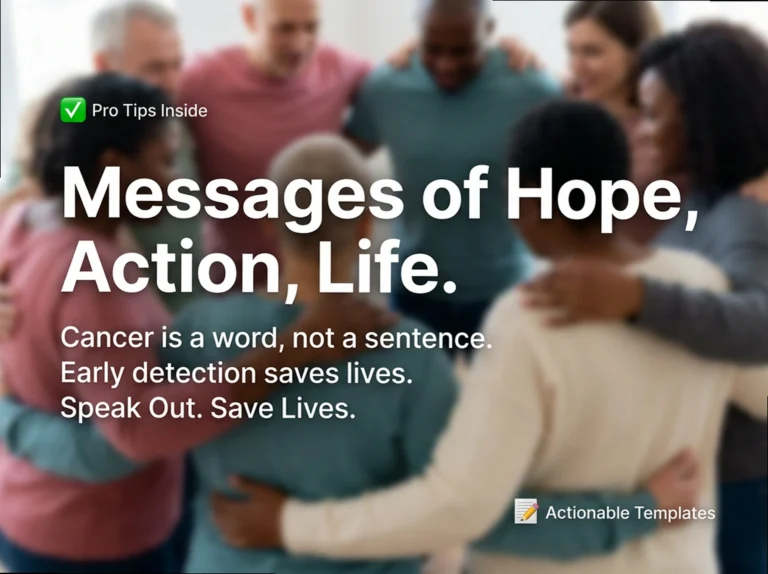
Visualizing Gratitude: Personal Practice & Community Campaigns


Beyond Individual Practice: The Ripple Effect of Organizational Gratitude
Leadership plays a pivotal role in fostering a culture of gratitude within healthcare systems. This organizational appreciation isn’t just a nicety; it critically impacts nurse morale, boosts retention, and ultimately enhances patient care, offering a powerful ‘bonus reading material’ for any system aiming for excellence.
Meaningful Organizational Recognition Strategies
- Offer promotions and clear career advancement opportunities to acknowledge growth. 📈
- Provide raises, bonuses, or extra paid time off, especially during high-stress periods. 💰
- Host award ceremonies or offer small gifts like plaques or gift cards for remarkable work. 🏆
- Implement peer-to-peer recognition programs to foster camaraderie and teamwork. (´∀`)♡
- Support professional development through tuition reimbursement or continuing education scholarships. 🎓
- Give personalized shout-outs during staff meetings, highlighting specific contributions and achievements. 🗣️
- Encourage simple, sincere ‘thank yous’ and ‘job well done’ from leadership and colleagues. 💖
Top Hashtags for Gratitude & Healthcare Well-being
📚 Jargon Buster
- Negativity Bias
- The brain's evolutionary tendency to focus more on negative experiences than positive ones, making stressful shifts feel overwhelming.
- Neurochemical Dance
- The complex interaction of dopamine, serotonin, and oxytocin that occurs in the brain during moments of appreciation.
- Savoring Exercises
- A mindfulness technique where you intentionally pause to fully experience and prolong the positive feelings of a specific moment.