
Mastering the Urban Canvas: Your Guide to Authentic Street Photography
Street photography draws you in with its raw, spontaneous beauty, yet the thought of capturing candid urban moments often comes with a knot of anxiety. This guide cuts through the noise, showing you how to find genuine urban narratives and observe ethically, ensuring your lens captures life’s true pulse without friction.
Street Photography: Quick Start Essentials
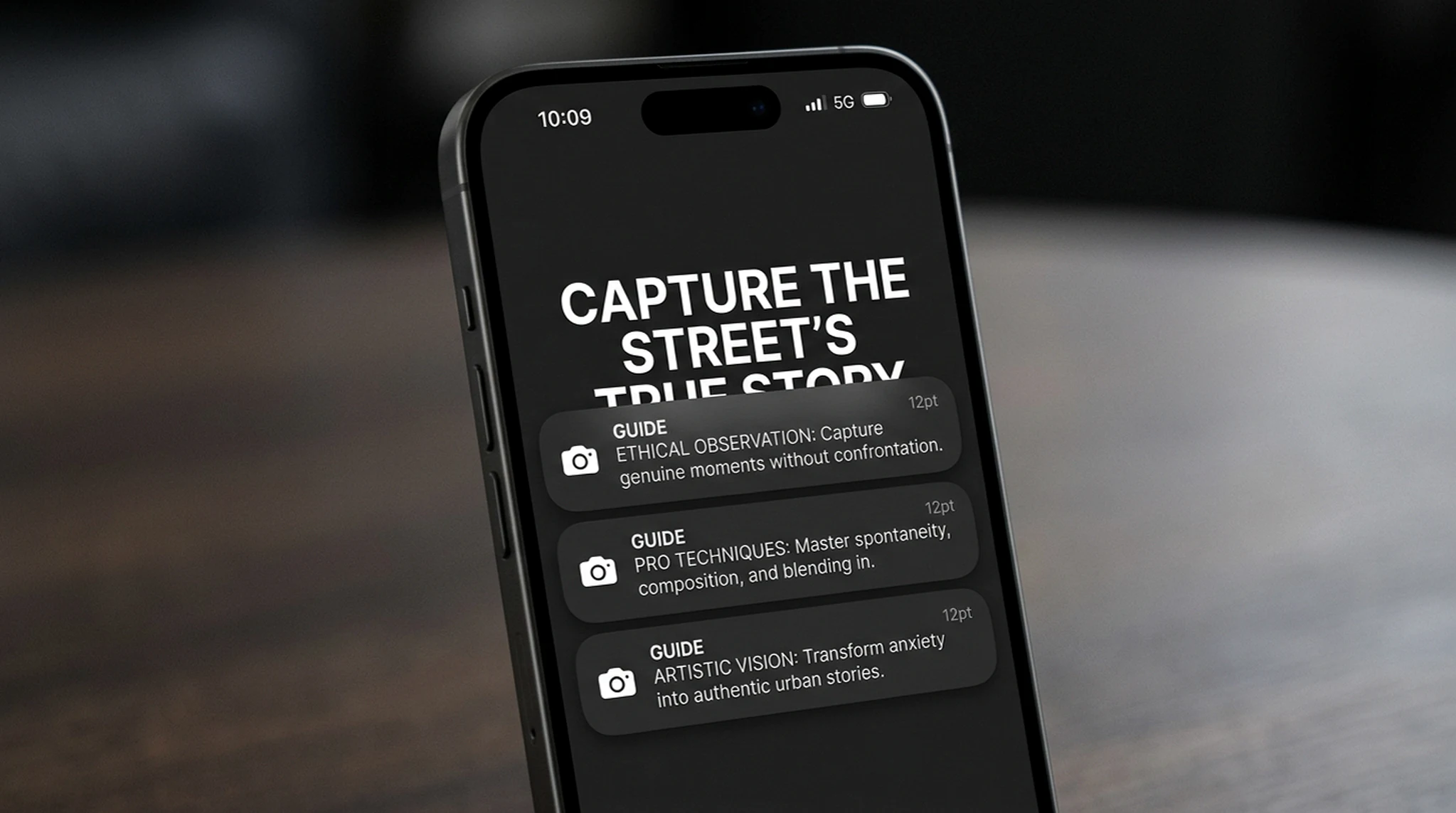
- Master ethical observation to capture genuine moments without confrontation.
- Learn essential techniques for spontaneity, composition, and blending into urban environments.
- Build confidence to tell authentic urban stories, transforming anxiety into artistic vision.
Words from the Masters: Inspiring Street Photography Quotes
These aren’t just quotes; they’re mental shortcuts. Internalize these insights from street photography legends to unlock new perspectives. Let them prompt you to see the unexpected, frame the ordinary uniquely, and find beauty in the fleeting moments that define urban life.
Quotes to Fuel Your Street Photography Journey
- “The marvels of daily life are exciting; no movie director can arrange the unexpected that you find in the street.” – Robert Doisneau ✨
- “I like discovery. I’m attracted to it. I like the feeling of going out, being at some place, looking in at something. Observation is important.” – Bruce Davidson 👀
- “To me, photography is an art of observation. It’s about finding something interesting in an ordinary place… I’ve found it has little to do with the things you see and everything to do with the way you see them.” – Elliott Erwitt (o_o)
- “If you are truly successful in capturing the pulse of life, then you can speak of a good photograph.” – Rene Burri 💖
- “You fill up the frame with feelings, energy, discovery, and risk, and leave room enough for someone else to get in there.” – Joel Meyerowitz 🚀
- “Taking pictures is savoring life intensely, every hundredth of a second.” – Marc Riboud ⏳
- “I tend to photograph the things that get in front of my camera.” – Lee Friedlander 📸
- “Taking pictures is like panning for gold. You do it again and again, and sometimes you find a nugget.” – Raghubir Singh 🌟
- “Sometimes I feel like the world is a place I bought a ticket to. It’s a big show for me as if it wouldn’t happen if I wasn’t there with a camera.” – Garry Winogrand (´・_・`)
- “…out on the city streets, everything you encounter is alien and unknown. That’s what taking snapshot photographs of the city streets is: you’re capturing the alien and unknown.” – Daido Moriyama 👽
- “If you are out there shooting, things will happen for you. If you’re not out there, you’ll only hear about it.” – Jay Maisel 🚶♀️
- “Photograph the world as it is. Nothing’s more interesting than reality.” – Mary Ellen Mark 🌍
- “I only know how to approach a place by walking. For what does a street photographer do but walk and watch and wait and talk, and then watch and wait some more, trying to remain confident that the unexpected, the unknown, or the secret heat of the known awaits just around the corner.” – Alex Webb 🗺️
- “If you scrutinize reality closely enough, if in some way you really, really get to it, it becomes fantastic.” – Diane Arbus ✨
- “I go out to take a walk, I see something, I take a picture. I take photographs. I have avoided profound explanations of what I do.” – Saul Leiter 🚶♂️
- “It’s the hardest thing in the world to take the mundane and try to show how special it is.” – Eve Arnold 💫
- “That’s how I approach street photography: watching everything. If I think something might happen, then I will hang around. But most of the time I’m rushing from one corner of the city to another, just looking for stuff.” – Trent Parke 🏃♀️
- “My ultimate goal is to try to make the ordinary look extraordinary.” – Martin Parr 🌟
- “There is a creative fraction of a second when you are taking a picture. Your eye must see a composition or an expression that life itself offers you, and you must know with intuition when to click the camera. That is the moment the photographer is creative. Oop! The Moment! Once you miss it, it is gone forever.” – Henri Cartier-Bresson ⚡
- “I don’t have a philosophy, I have a camera.” – Saul Leiter 📷
- “For me, photography is the simultaneous recognition, in a fraction of a second, of the significance of an event.” – Henri Cartier-Bresson ⏱️
- “Photography is about finding out what can happen in the frame. When you put four edges around some facts, you change those facts.” – Garry Winogrand (•̀ᴗ•́)و
- “A photograph is a moral decision taken in one eighth of a second.” – Salman Rushdie ⚖️
- “It’s not about the camera. It’s not even about the photograph. It’s about the moment the camera captured.” – James Dirks 🖼️
- “In street photography, there’s no hiding. You’re out in the middle of the action and have to rely on your own judgment, ability, and courage as a photographer to make a meaningful photograph.” – Alex Webb 💪
- “All the technique in the world doesn’t compensate for the inability to notice.” – Elliott Erwitt 🤔
- “Your most important gear is your eye, heart and soul.” – Marius Vieth ❤️🔥
- “Slow down, take time, allow yourself to be wildly diverted from your plan. People are the soul of the place; don’t forget to meet them and enjoy their company as you explore a place.” – David duChemin 😌
To me, photography is an art of observation. It’s about finding something interesting in an ordinary place… I’ve found it has little to do with the things you see and everything to do with the way you see them.
The Vibe: These quotes aren’t just for reading; they’re meant to reshape your creative mindset. To truly absorb their wisdom and apply it on the streets, active engagement is key.
The Play: Before you even pick up your camera, spend five minutes journaling about a chosen quote, or mentally visualize how its message applies to a specific urban scene. This pre-visualization trains your eye to spot opportunities and reinforces the ‘why’ behind your shots, making you more decisive when the moment arrives.
Sharpening Your Street Photographer’s Eye: Techniques for Candid Capture
Cultivating a true ‘street photographer’s eye’ transcends mere technical mastery. It’s about a heightened awareness – anticipating fleeting moments, instinctively reading light, and becoming an invisible part of the urban flow. This blend of intuition and practiced observation is what transforms ordinary scenes into compelling stories.
Actionable Tips for a Sharper Street Photographer’s Eye
- Fill the Frame Strategically: Don’t just include a subject; make them central. Cut out distractions to amplify impact. 🎯
- Learn Your Lens: Stick to one prime (35mm or 50mm) to instinctively visualize shots before lifting the camera. 👁️🗨️
- Master the Hip Shot: Capture candid moments without raising the camera to your eye, making yourself less noticeable. (¬‿¬)
- Practice Zone Focusing: Pre-focus your manual lens to a set distance (8-10 feet) for lightning-fast, inconspicuous shots. ⚡
- Embrace Patience: Instead of constant walking, find a promising spot and wait for the perfect moment to unfold. 🧘♀️
- Blend in with the Crowd: Seek out busy areas. The more activity around you, the more invisible you become. 👥
- Act Like a Daydreamer: Angle your body away from your subject, looking ‘through’ people rather than directly at them to avoid eye contact. 🎭
- The ‘Misdirect’ Technique: Pretend to photograph something else nearby. If noticed, adjust your ‘pretend’ composition until suspicion fades. 🤫
- The ‘Misunderstanding’ Trick: Keep your camera to your eye for some time after a subject passes, making it seem you were photographing something beyond them. (•_•)
- Review & Group Your Work: Regularly analyze your photos, grouping them to identify organic themes and inspire future shots. 🖼️
- Study the Masters: Immerse yourself in portfolios of legendary street photographers to train your eye and absorb diverse styles. 📚
- Find the Light: Let light be your guide. Seek out interesting shadows, bright storefronts, or dramatic contrasts. ☀️
- Utilize Glass: Storefronts and windows offer reflections and ‘captive’ opportunities for discreet, layered compositions. 🏙️
- Wait for the ‘Fishing’ Moment: If a scene needs a human element, wait. Often, the perfect subject will walk into your frame. 🎣
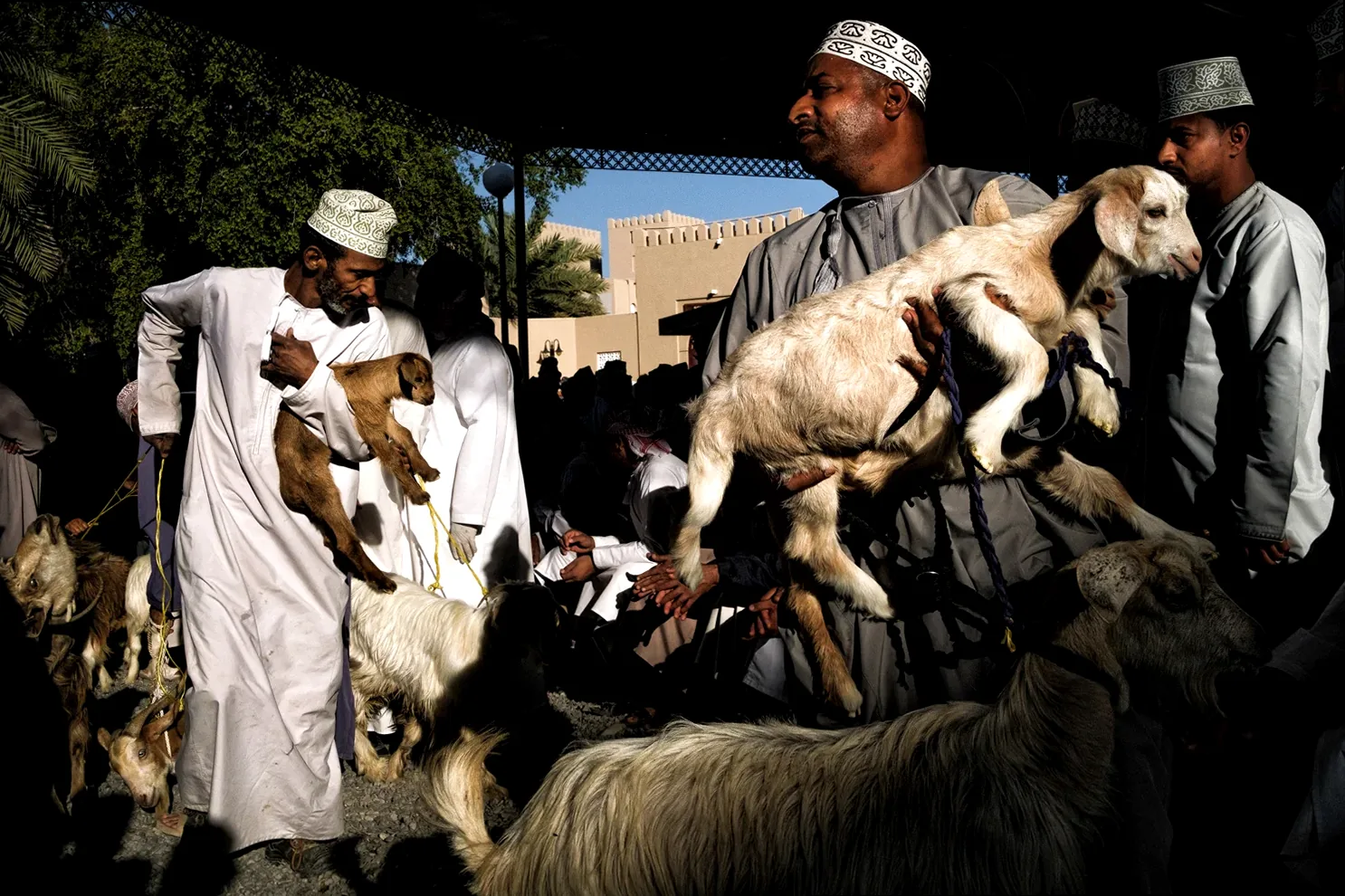
Post one of your favorite candid street photos, or even a ‘behind-the-scenes’ shot of you in action. Then, directly ask your audience about the biggest hurdle they face when trying to capture authentic, unposed moments without being noticed or causing discomfort.
Navigating the Street Ethically: Respect, Legality, and Safety
Spontaneity fuels street photography, but never at the expense of respect. Understanding both ethical guidelines and legal boundaries isn’t just about avoiding trouble; it’s about fostering positive interactions and ensuring your art is built on a foundation of empathy, not exploitation.
Ethical Guidelines & Safety for Street Photographers
- Trust Your Gut Feeling: Always assess your environment and potential subjects. If a situation feels off, prioritize your safety over the shot. 🚨
- Empathy First: Before shooting, ask yourself, ‘How would I feel in this person’s shoes?’ Avoid exploiting vulnerability or making anyone uncomfortable. (._.)
- Make Them Look Good: Aim to capture subjects in a way that is respectful and flattering. Avoid images that might embarrass or degrade. ✨
- Don’t Be a Creep: If you’re noticed, don’t just walk away awkwardly. Acknowledge them with a smile or a brief, polite interaction. 😊
- Own Your Shot: If confronted, calmly explain what you’re doing. Defensiveness escalates, while honesty often de-escalates. 🗣️
- Offer to Share: Keep business cards handy. Offer to send the photo if they’re interested, turning potential friction into a positive connection. 🤝
- Know Local Laws: Understand the legal landscape regarding photography in public spaces in your specific location. Ignorance is not a defense. ⚖️
- Never Embarrass: Absolutely avoid capturing or publishing images that show people in embarrassing or wretched poses. This is a non-negotiable ethical line. 🚫
- Consider Deleting: If a subject is genuinely upset, offer to delete the photo. It’s a small price for maintaining respect and peace of mind. 🗑️
- Start with a Compliment: When engaging subjects for a direct portrait, always begin with a genuine compliment to build rapport. (^▽^)
The Vibe: Even with the most discreet approach, you’ll occasionally be noticed or approached. This isn’t a failure; it’s an opportunity to build bridges and share your passion.
The Play: Always carry a few simple business cards with your name, website/social media, and a brief, positive statement about your street photography (e.g., ‘Capturing the unseen beauty of urban life’). If someone engages you, offer a card and a concise explanation of your creative intent. This transforms potential awkwardness into a moment of genuine connection and professionalism.
Essential Gear for Discreet & Spontaneous Street Photography
The ‘best’ gear for street photography isn’t found on a price tag; it’s about practicality and discretion. Your equipment should be an extension of your eye, allowing you to blend seamlessly into the environment, react instantly to fleeting moments, and capture authentic scenes without drawing unwanted attention. Small, light, and unobtrusive are your watchwords.
Recommended Gear for Unobtrusive Street Photography
- Compact Mirrorless Cameras: Opt for APS-C or Micro Four Thirds models. They are significantly smaller, lighter, and less intimidating than bulky DSLRs. 📸
- Fixed-Lens Compacts: Cameras like the Ricoh GRIII, Fujifilm X100V, or Leica Q2 are perfect. Their single focal length and small size promote focus and discretion. (´・ω・`)
- Classic Rangefinders: If budget allows, a Leica M camera with a 50mm lens remains the iconic choice for its discreet profile and superior optics. ✨
- Prime Lenses (28mm, 35mm, 50mm): These focal lengths are ideal for street work. They force you to ‘zoom with your feet,’ encouraging better composition and engagement. 🚶♂️
- The 35mm ‘Sweet Spot’: Many consider a 35mm prime the best all-around lens for street photography, offering a natural field of view that mirrors human vision. 👁️
- Small, Fast Primes: A 50mm f/1.8, for instance, is incredibly compact, affordable, and delivers high-quality images without drawing attention. 🚀
- Weather-Sealed Bodies & Lenses: For those unexpected downpours, a weather-sealed camera and lens provide peace of mind and allow you to keep shooting. ☔
Top Hashtags for Street Photography
Beyond the Basics: Advanced Techniques & Philosophies
True mastery in street photography isn’t just about nailing the shot; it’s about continuous learning, bold experimentation, and infusing your unique artistic expression into every frame. This section moves beyond simple captures, touching on nuanced techniques and the deeper philosophies that refine your craft and define your visual voice, including smart post-processing choices.
Watch how candid street photography techniques can be creatively adapted for commercial projects, like this Burger King campaign, proving that authentic urban capture has diverse applications.
Refining Your Vision: Advanced Street Photography Techniques
- Master the Stutter-Step: Practice a quick, momentary freeze in full stride to capture sharp images while maintaining a natural flow of movement. ⛹️
- Feigned Adjustments: Mimic Garry Winogrand – raise your camera, quickly compose and shoot, then feign adjustments to focus or aperture to deflect attention. 🧐
- Embrace Assertive Approaches: Sometimes, making your presence known (like Bruce Gilden’s flash technique) can provoke unique, raw reactions. Know when to be bold. 💪
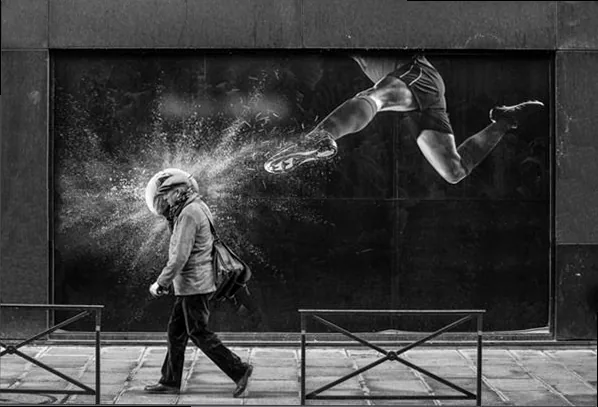
- Seek Juxtaposition & Irony: Train your eye to spot unexpected contrasts between subjects and their urban surroundings, creating layered, thought-provoking images. (ಠ_ಠ)
- Combine Elements for Impact: Aim for at least two out of three: compelling subject, strong composition, and dramatic light. Hitting all three creates masterpieces. ✨
- Review for Narrative: Go beyond individual shots; group your work to identify emerging themes and sequences, building a cohesive visual story. 📖
- Experiment with Panning: Use a slower shutter speed and pan with moving subjects to create dynamic motion blur, injecting energy into your shots. 💨
Editor’s Top Picks for Street Photographers
“There is a creative fraction of a second when you are taking a picture. Your eye must see a composition or an expression that life itself offers you, and you must know with intuition when to click the camera. That is the moment the photographer is creative. Oop! The Moment! Once you miss it, it is gone forever.” – Henri Cartier-Bresson
Prioritize empathy: “How would I feel in this person’s shoes?” This simple question guides your ethical approach, ensuring respect in every candid capture.
“To me, photography is an art of observation. It’s about finding something interesting in an ordinary place… I’ve found it has little to do with the things you see and everything to do with the way you see them.” – Elliott Erwitt
📚 Jargon Buster
- Zone Focusing
- A manual focus technique where you pre-set your lens to a specific distance range (e.g., 8-10 feet) to capture sharp, spontaneous shots without waiting for autofocus.
- The Decisive Moment
- A concept pioneered by Henri Cartier-Bresson referring to that fleeting fraction of a second when a scene's elements align perfectly to reveal a deeper meaning.
- Hip Shot
- The act of taking a photograph without raising the camera to your eye, usually by holding it at waist level to remain discreet and capture truly candid behavior.
From the Community
"The street is a stage, and everyone is an actor, but only the photographer can freeze the frame and make the audience appreciate the performance." - Unknown (but felt it!)
Hope this adds to the convo! #streetphoto #inspiration
"I am always searching for the light, for the shadows, for the moment. The street is my studio." - Fan Ho
It's all about seeing the beauty in the everyday chaos.